

Your deck is more than just an outdoor space; it’s an extension of your home, a place for relaxation, entertaining, and making memories. But harsh Ohio weather, from scorching summer sun to freezing winter snow, takes a toll. Over time, constant exposure can leave your deck looking faded, weathered, and even structurally compromised if not properly protected.
You want your deck to be beautiful, safe, and last for years to come. That’s where professional deck staining and sealing come in. It’s an essential maintenance step that revitalizes its appearance and provides a crucial shield against the elements. Just like proper fascia and soffit maintenance protects your home’s eaves, the right treatment keeps your deck strong.
At Hillsdale Home Guide, we understand how important your outdoor living spaces are. With over two decades of established expertise serving countless homeowners across Columbus, Ohio, we’re dedicated to providing reliable solutions that ensure your deck remains a cherished part of your property. Our licensed and insured professionals know exactly what it takes to bring life back to your deck boards and protect them for the long haul.
What Exactly Are Deck Staining and Sealing?
Deck staining and sealing are two distinct, yet often combined, processes aimed at preserving and enhancing your deck. Staining involves applying a pigment that penetrates the wood, adding color while allowing the wood grain to show through. Sealing, on the other hand, creates a protective barrier on the surface that repels water, prevents moisture absorption, and guards against UV damage.
Together, they form a powerful defense. Stains can be transparent, semi-transparent, or solid, offering a range of aesthetic choices. Sealers are typically clear or have a slight tint. According to Wikipedia’s entry on Wood Finishing, these treatments are crucial for durability, serving to “protect wood from damage by moisture, ultraviolet light, insects, and fungal growth.”
Should I Stain and Then Seal My Deck?
Most experts recommend staining and sealing your deck as a combined process, often with products designed to do both in a single application. If you choose separate products, apply the stain first to achieve your desired color, then follow with a clear sealer to lock in the color and provide an extra layer of protection against moisture and UV rays. Always check product instructions, as some stains include sealing properties.
Combining the two offers the best of both worlds: beauty and protection. Many modern products are formulated as “stain and sealer” combos, simplifying the process and ensuring compatibility. These integrated solutions are popular because they save time and provide robust defense against the elements.
“Properly prepared and protected wood surfaces not only look better but also resist environmental stressors more effectively, preventing costly repairs down the line.”
How Does Deck Staining and Sealing Work?
The process of staining and sealing a deck involves several key steps to ensure long-lasting results. It’s not just about brushing on a new coat; proper preparation is everything. Our experienced and certified professionals follow a meticulous approach, ensuring attention to detail and quality workmanship from start to finish.
- Inspection: We start by examining your deck for loose boards, protruding nails, or damaged sections.
- Cleaning: The deck is thoroughly cleaned to remove dirt, grime, mildew, and old finishes. This often involves a specialized deck cleaner and a power washer (used carefully to avoid damaging the wood).
- Sanding (Optional but Recommended): For rough surfaces or to remove stubborn old finishes, light sanding creates a smooth, receptive surface for the new stain.
- Drying: The deck must be completely dry before application, typically 24-48 hours after cleaning, depending on weather.
- Application: Stain is applied evenly using brushes, rollers, or sprayers, working with the grain. If using a separate sealer, it’s applied after the stain has cured.
- Curing: The deck needs time to fully cure, which can take several days, before heavy use or placing furniture back.
This systematic approach ensures the problem is fixed at its source – that is, preventing future deterioration by preparing the surface correctly. Derek Romero, who oversees Hillsdale Home Guide, often advises that “the longevity of any exterior finish is directly proportional to the quality of its preparation.” This mirrors our emphasis on root cause analysis for other home services, like identifying the source of a plumbing leak rather than just patching a wet spot.
What to Look For: Signs Your Deck Needs Staining and Sealing
Your deck gives clear signals when it’s time for maintenance. Ignoring these signs can lead to accelerated wear, rot, and costly repairs. Taking quick action saves money and preserves your investment.
- Fading Color: The vibrant color of your deck boards looks dull or washed out, especially in high-traffic areas or sun-exposed spots.
- Water Absorption: When you sprinkle water on the deck, it soaks in immediately instead of beading up. This is the clearest sign your sealer is failing.
- Splintering or Cracking: The wood feels rough, and you notice small cracks or splinters, indicating moisture damage and UV degradation.
- Mildew or Algae Growth: Green or black spots appear, especially in shady, damp areas, meaning your deck is retaining too much moisture.
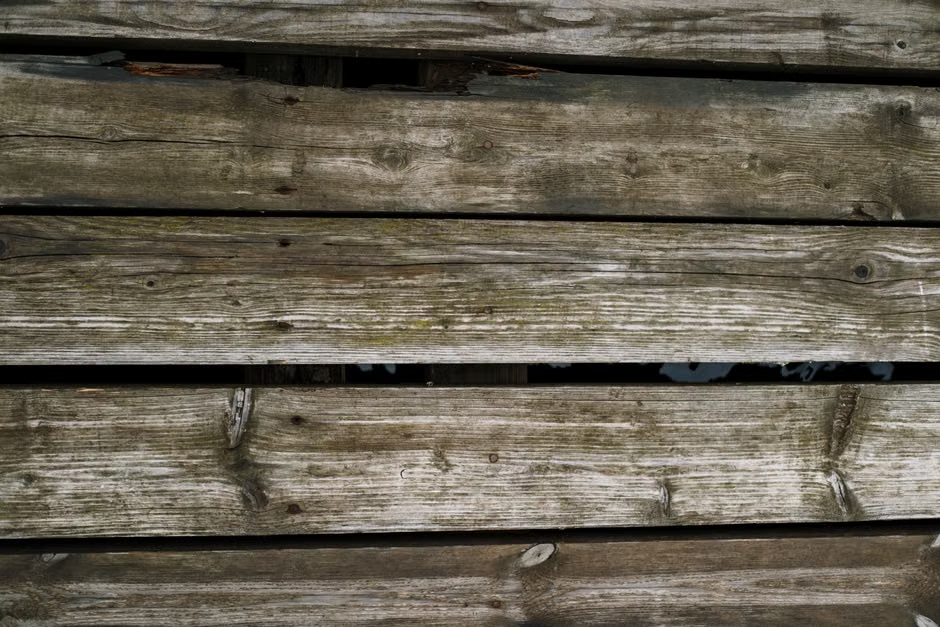
- Graying Wood: Unprotected wood naturally turns gray over time due to UV exposure. If your deck has lost its natural color, it’s time for treatment.
- Warping or Cupping: Deck boards are starting to bend or twist, a more severe sign of moisture penetration and uneven drying.
If you’re seeing any of these issues, it’s a good time to consider professional help. Our team provides reliable solutions tailored to your needs, whether it’s a routine refresh or a more intensive restoration.

Can I Use Dawn Dish Soap to Clean My Wood Deck?
While Dawn dish soap is excellent for kitchen grease, it’s generally not the ideal choice for cleaning a wood deck. Dish soap can leave a residue that interferes with the adhesion of new stains or sealers, making them less effective and potentially causing splotchy results. It’s also not formulated to tackle common deck issues like mildew and algae effectively.
Instead, we recommend using cleaners specifically designed for wood decks. These products contain ingredients that effectively remove dirt, grime, mold, and mildew without harming the wood or leaving problematic residues. For tougher jobs, or if you’re unsure about the right approach, consulting with licensed professionals is always a good idea. We work with trusted products and methods to ensure your deck is pristine and ready for its next treatment.
Staining a Deck That Is Already Stained
Staining a deck that already has an existing stain requires careful preparation. You can’t just apply new stain over old without issues. The previous finish must be in good condition, or it needs to be removed.
If the existing stain is old, peeling, or uneven, it’s best to strip it completely. This involves using a chemical deck stripper, followed by thorough rinsing and neutralizing. Once stripped, the wood should be clean, dry, and bare, ready for a fresh application. If the old stain is still in good shape and you simply want to refresh or deepen the color, you might be able to apply a compatible stain directly after a thorough cleaning and light sanding. Always check the compatibility of new products with existing finishes.
“Regular maintenance, including proper cleaning and reapplication of protective coatings, is paramount to extending the life and maintaining the aesthetic appeal of any outdoor wooden structure.”
Alternatives and Suitability for Different Decks
Deck staining and sealing are perfect for natural wood decks, but they aren’t the only options, nor are they suitable for every type of deck.
- Composite Decks: Composite materials, made from wood fibers and plastic, don’t require staining or sealing for protection. They’re designed to resist rot, warping, and insect damage. However, they still need regular cleaning to prevent mildew and maintain their appearance.
- Deck Paint: Instead of stain, some homeowners choose deck paint. Paint provides a solid, opaque finish that completely covers the wood grain. It’s very durable but can chip or peel over time, requiring different maintenance than stain.
- New Decks: Brand new wood decks usually need a “weathering” period, typically 3-6 months, before staining and sealing. This allows the wood to dry out and open its pores, ensuring better absorption and adhesion of the finish.
Understanding these distinctions helps you make the best choice for your specific deck. Our team can help you evaluate your deck’s material and condition to recommend the most effective treatment, just as we help homeowners plan winter landscape protection and preparation for their entire yard.
Realistic Expectations: What to Expect from Staining and Sealing
After your deck is professionally stained and sealed, you’ll immediately notice a significant improvement in its appearance. The wood will look richer, revitalized, and uniform in color. Beyond aesthetics, you can expect enhanced protection against the elements, significantly extending your deck’s lifespan.
Realistically, a good quality deck stain typically lasts 2-5 years, depending on the product, weather exposure, and deck traffic. Clear sealers might need reapplication every 1-3 years. Semi-transparent stains usually last longer than clear sealers but not as long as solid stains or paints. Regular cleaning and prompt attention to any signs of wear will help your finish last its full expected duration. We offer complete service so you can enjoy your deck for seasons to come.
Practical Tips for Maintaining Your Deck’s Beauty
Keeping your deck looking its best between professional treatments requires some simple, ongoing care. These practical steps can significantly prolong the life of your stain and seal.
- Regular Sweeping: Sweep your deck weekly to remove leaves, dirt, and debris that can trap moisture and promote mildew growth.
- Spot Cleaning Spills: Address spills immediately. Use a mild cleaner and soft brush to prevent stains from setting into the wood.
- Avoid Harsh Chemicals: Stick to deck-specific cleaners or very mild soap and water. Bleach and strong detergents can damage wood fibers and finishes.
- Trim Overhanging Branches: Reduce shade and leaf litter by trimming trees and shrubs around your deck, allowing it to dry faster after rain. This also ties into overall mulch benefits and best practices for landscaping, keeping the environment around the deck healthy.
- Inspect Annually: Once a year, preferably in spring, inspect your deck for any signs of wear, splintering, or water absorption. Address small issues before they become big problems.
- Use Deck Protectors: Place protective pads under furniture legs to prevent scratches and scuffs on your deck’s surface.
By following these tips, you’re actively contributing to the long-term health and appearance of your deck, protecting your investment and ensuring peace of mind.
Don’t let your deck succumb to the wear and tear of Columbus weather. Professional staining and sealing by Hillsdale Home Guide offers the ultimate solution for protecting your outdoor living space, enhancing its beauty, and ensuring its longevity. Our licensed and insured professionals provide attention to detail and quality workmanship, delivering long-lasting repairs and reliable solutions tailored to your home. Contact us today for a free quote and let us help you keep your deck beautiful and functional for years to come. We’re trusted by countless homeowners, and we’re ready to earn your trust too.