
Dents, holes, cracks, and moisture damage on your walls aren’t just cosmetic issues; they’re immediate reminders that your home needs attention. Left unaddressed, small imperfections can turn into larger problems, affecting your home’s appearance and even its structural integrity over time. We know that tackling home repairs can feel overwhelming, especially when you’re aiming for a seamless, professional look.
That’s where understanding the nuances of drywall repair becomes crucial. Deciding whether to grab a spackle knife yourself or call in the experts can save you time, money, and a lot of frustration. At Hillsdale Home Guide, we’ve spent over two decades helping homeowners in Columbus, Ohio, maintain and enhance their properties. We’re here to demystify drywall repair and help you make the right choice for your walls.
We work with everything from minor scuffs to major renovations, ensuring your walls are primed for a beautiful finish. Just as proper surface preparation is essential for a lasting coat of paint, as we discuss in our guide to Interior Painting Trends for 2026 Homeowners, a solid drywall foundation is key to any successful interior update.
What Exactly Is Drywall, and Why Does It Matter?
Drywall, also known as plasterboard or gypsum board, is a panel made of gypsum plaster pressed between two thick sheets of paper. It’s the standard material for constructing interior walls and ceilings in modern homes because it’s cost-effective, relatively easy to install, and provides a smooth surface for paint and other finishes.
Understanding drywall’s composition helps us appreciate why proper repair is so important. Gypsum is a mineral that’s naturally fire-resistant and offers good sound insulation. When these panels are cut, fitted, and taped correctly, they create the durable, flat surfaces we rely on. According to the Wikipedia entry on drywall, its widespread adoption revolutionized interior construction due to its efficiency compared to traditional plastering methods. This makes it a foundational element of your home’s interior, deserving of careful attention when damaged.
Drywall Repair vs. Professional: What Should You Consider?
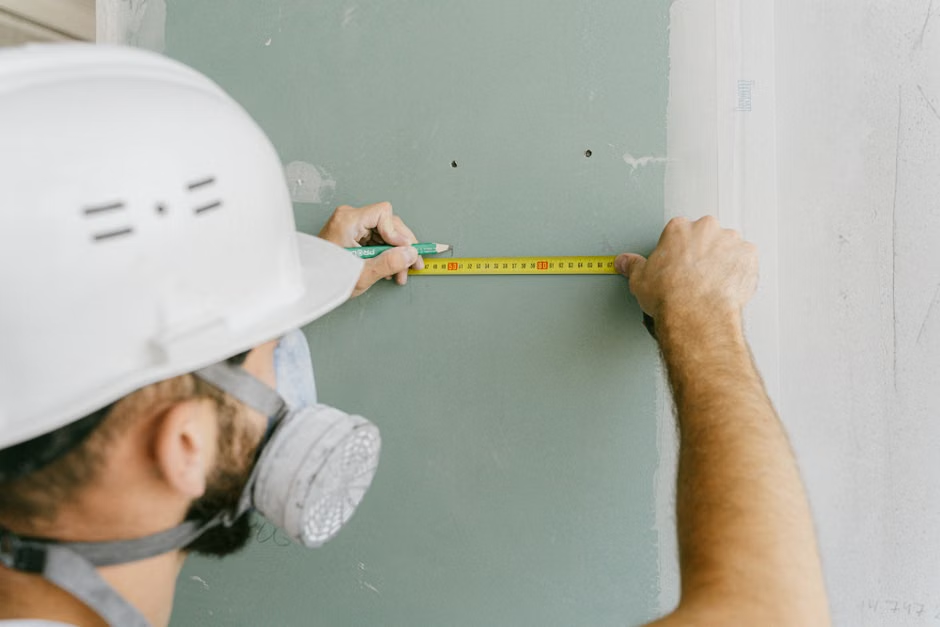
Deciding between DIY and professional drywall repair often boils down to the scope of the damage, your comfort level with tools, and the desired finish. Minor dings and nail holes are often manageable for a homeowner, requiring basic tools and a bit of patience. However, larger holes, significant cracks, or water-damaged sections demand more advanced skills, specific materials, and an eye for blending that few DIYers possess.
When you’re comparing drywall repair, DIY approaches can seem attractive because they save labor costs. Yet, the cost of supplies, tools you might not own, and the sheer time investment can quickly add up. Plus, an imperfect repair can stick out, requiring professional help later anyway. Our licensed professionals often see DIY attempts that, while well-intentioned, require additional work to correct, ultimately costing more in the long run. We believe in getting it right the first time.
“While small repairs can be tackled by a homeowner, complex drywall damage, especially involving structural concerns or large areas, benefits greatly from professional expertise. Proper material selection and finishing techniques are crucial for long-lasting results and to prevent recurrence of damage.”
How Does Professional Drywall Repair Work?
Professional drywall repair follows a systematic approach designed for durability and a seamless finish. Our team starts with a thorough assessment of the damage, identifying the cause and extent. For small holes, we’ll often use a patch kit, ensuring the area is clean and dry. Larger holes may require cutting out the damaged section and fitting a new piece of drywall.
The next steps involve securing the new drywall, applying mesh tape over seams, and then skillfully layering drywall compound (or mud). We apply multiple thin coats, allowing each to dry completely before sanding smooth. This process is meticulous; it’s what prevents visible seams or uneven textures. Finally, the repaired area is primed to ensure paint adheres uniformly, making the repair virtually invisible. Our experienced and certified professionals understand the nuances of different compounds and sanding techniques, which is how we achieve that flawless, paint-ready surface every time.
What Types of Drywall Damage Can Be Repaired?
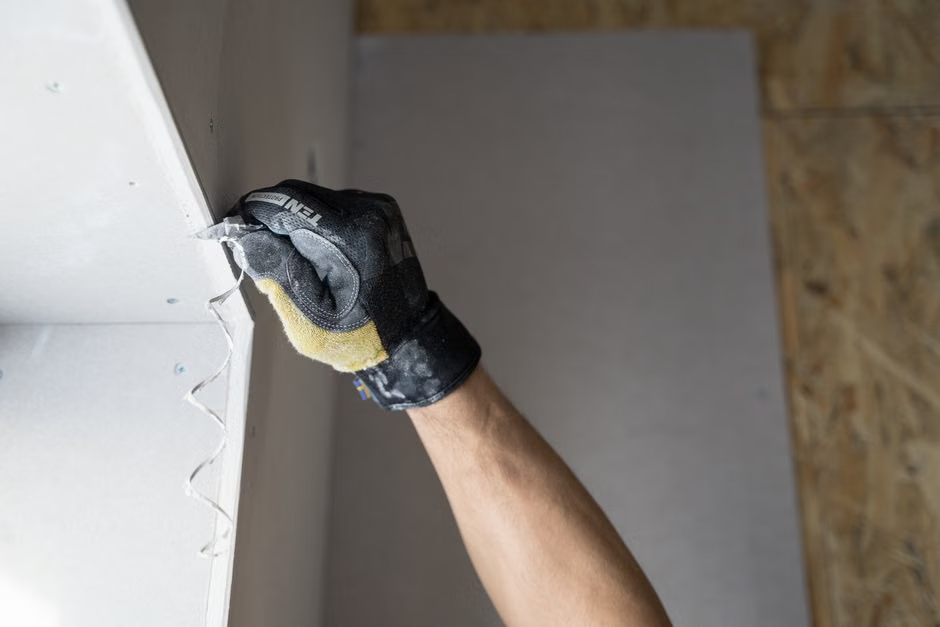
Drywall is quite resilient, but it’s also susceptible to various forms of damage that our team regularly addresses. Expert repair ensures the problem is fixed at its source, not just covered up. Here are some common types of drywall damage we can effectively repair:
- Small Holes: From popped nails to picture hangers, these are the simplest fixes.
- Dents and Dings: Often caused by moving furniture, these require careful filling and sanding.
- Cracks: Hairline cracks, stress cracks near doors or windows, or those caused by minor settling.
- Water Damage: Stains or softening from leaks require cutting out the damaged section and replacing it. This is particularly important if you’ve recently dealt with an issue like a leaky pipe or roof repair.
- Larger Holes: From doorknob impacts to larger accidental punctures, these require careful patching.
- Poor DIY Repairs: Uneven textures, visible seams, or crumbling patches from previous amateur attempts.
- Impact Damage: From everyday mishaps to more significant incidents, we restore the wall’s integrity.
Basement Drywall Repair: Special Considerations?
Basements present unique challenges for drywall. They’re prone to higher humidity levels and potential moisture issues, which can lead to mold and mildew if not properly managed. When addressing basement drywall repair, we always assess for underlying moisture problems first. Simply patching drywall without resolving a leak or excessive humidity is a temporary fix that will likely fail again.
For basement projects, we often recommend moisture-resistant drywall or specialized mold-resistant products, especially in areas like utility rooms or bathrooms. Proper ventilation and sealing any foundation cracks are also critical. Derek Romero, who oversees our Columbus-based home services company with over two decades of experience, emphasizes, “In basements, it’s not just about patching the wall; it’s about creating a dry, healthy environment. We always investigate the ‘why’ behind the damage before we even think about the ‘how’ of the repair.” This holistic approach ensures long-lasting repairs and peace of mind.
How Much Does Drywall Repair and Finishing Cost, and Is DIY Cheaper?
The cost of drywall repair and finishing varies significantly based on the size and complexity of the damage, the type of drywall needed, and the specific finishing required. Minor repairs might only be a few hundred dollars, while extensive water damage or large-scale renovations will be considerably more. DIY can indeed be cheaper in terms of direct labor costs, but that’s a narrow view.
When you DIY, you’re paying for materials, tools, and, crucially, your own time. If you lack experience, the process can take much longer, lead to frustrations, and potentially require re-work. Professional services from Hillsdale Home Guide include the expertise of licensed and insured professionals, all necessary tools, and guaranteed work. We provide transparent pricing and no hidden fees, helping you budget accurately from the start. Often, the efficiency and superior finish of a professional job outweigh the perceived savings of a DIY attempt, especially for anything beyond the smallest blemishes.
“Hidden moisture issues in drywall, if not addressed completely, can lead to persistent mold growth, which can impact indoor air quality and pose health risks. Proper assessment and repair by a qualified professional are essential to ensure the long-term integrity and safety of your home’s structure.”
What Results Can You Expect From Professional Drywall Finishing?
When you choose professional drywall repair and finishing from Hillsdale Home Guide, you can expect results that blend seamlessly with your existing walls. Our goal is to make the damaged area completely disappear, leaving a smooth, paint-ready surface. We don’t just patch; we meticulously feather the edges, sand until perfect, and prime, ensuring that once painted, no one will ever know there was damage there.
The timeline for professional repair depends on the extent of the damage. A small hole might be patched and ready for paint in a single day, while larger repairs involving multiple coats of mud and drying times could take 2-3 days to ensure proper curing and a flawless finish. We provide clear expectations and keep you informed every step of the way. Our attention to detail and quality workmanship ensures reliable solutions tailored to your needs, providing long-term protection and reduced risk of recurring issues.
Practical Tips for Maintaining Your Drywall
Maintaining your drywall can prevent many common repair needs, saving you time and money. Here are some practical tips from our team:
- Address Leaks Immediately: Any water stain or dampness is a red flag. Find the source and fix it fast to prevent extensive drywall damage and mold.
- Use Wall Protectors: Clear rubber protectors behind doorknobs can prevent holes from repeated impacts.
- Be Careful When Moving Furniture: Pad corners and use moving blankets to avoid scrapes and dents.
- Control Humidity: Especially in basements and bathrooms, use exhaust fans and dehumidifiers to prevent moisture buildup that weakens drywall.
- Avoid Over-Saturating When Cleaning: Use a damp, not wet, cloth when wiping down walls to avoid damaging the paper facing.
- Inspect Regularly: Walk through your home periodically, especially after severe weather, looking for new cracks, bubbles, or stains. Early detection makes repairs easier and less costly.
Whether you’re dealing with a tiny nail pop or significant water damage, the condition of your drywall plays a huge role in the overall aesthetic and integrity of your home. While small blemishes might be tempting to tackle yourself, larger, more complex repairs truly benefit from the touch of experienced professionals. Our team of licensed and insured contractors is ready to provide the attention to detail and quality workmanship that Columbus homeowners deserve. Don’t let wall damage detract from your home’s beauty or invite bigger problems down the line; let us help you achieve a flawless finish. For any home service need, from essential services to complete renovations, we’re here to deliver peace of mind.