
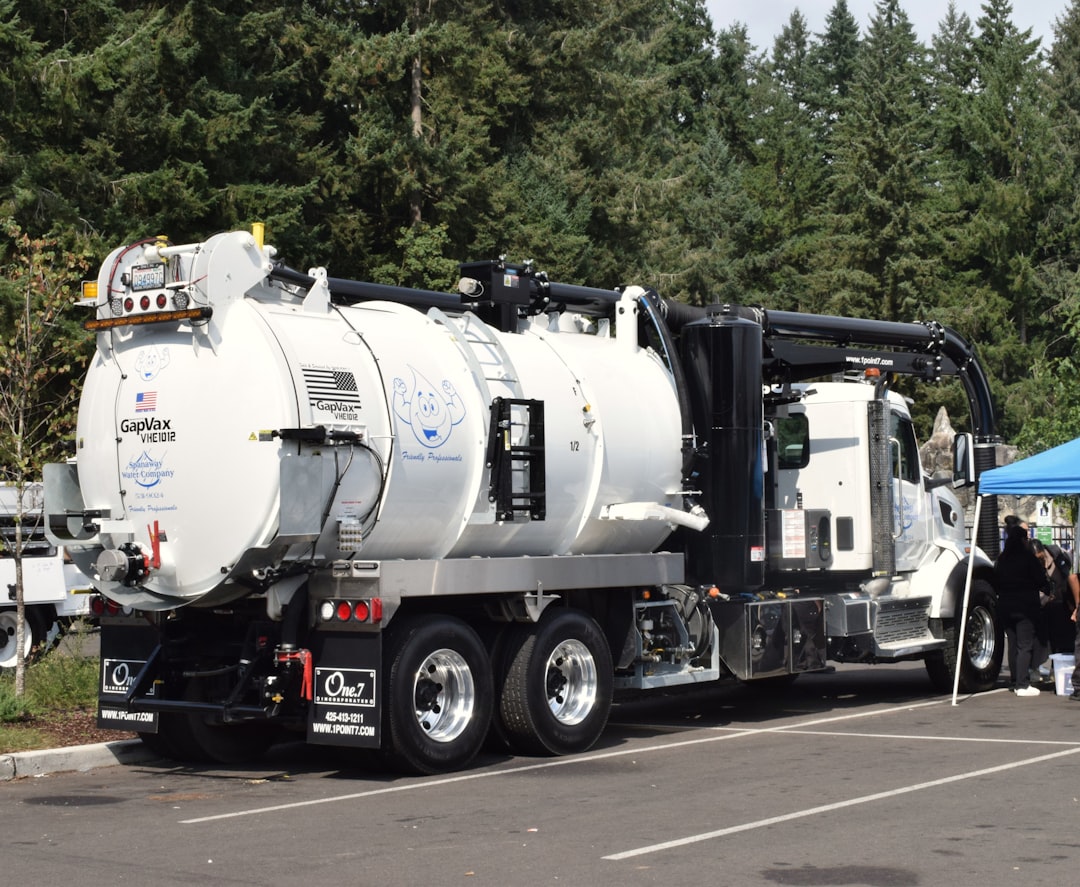
Most homeowners don’t think about their septic system until something goes wrong. A slow drain, a soggy patch in the yard, or a smell that shouldn’t be there. By that point, what started as a routine task has turned into an emergency repair. Understanding how your septic system works, and what it needs from you, is one of the most practical investments you can make in your property.
A properly functioning septic system runs quietly in the background for decades. But it only does that when it’s maintained. Skip the pumping schedule, flush the wrong things, or ignore early warning signs, and you’re looking at system failure, groundwater contamination, and repair bills that run into the tens of thousands of dollars. Quick action saves money. The homeowners who stay on top of their maintenance rarely face anything more than a routine pump-out.
At Hillsdale Home Guide, we’ve spent over two decades serving Columbus homeowners with professional home services, and septic questions come up constantly. If you’re dealing with related plumbing or drainage concerns alongside your septic system, you can explore our full range of home repair and maintenance services for licensed help across all major home systems. This guide covers everything you need to know to keep your septic system running cleanly for years.
What Is a Septic System and How Does It Work?
A septic system is a self-contained wastewater treatment setup used by homes not connected to a municipal sewer line. Wastewater flows from the house into a buried tank, where solids settle to the bottom as sludge and lighter material floats to the top as scum. The liquid layer in the middle, called effluent, flows out to a drain field where soil filters and treats it naturally over time.
The tank doesn’t eliminate waste. It holds it. Bacteria inside the tank break down organic solids slowly, but the process is incomplete by design. That’s why the tank must be pumped on a regular schedule. According to the U.S. Environmental Protection Agency, a failing septic system can contaminate groundwater and nearby drinking water sources, creating serious public health risks. This is not a maintenance item you can defer indefinitely.
“Septic systems treat and dispose of household wastewater on-site. Most systems use a combination of nature and proven technology. Properly functioning systems are key to protecting public health and the environment.”
What Regular Maintenance Does a Septic System Need?
Regular septic maintenance means pumping the tank every 3 to 5 years, scheduling annual inspections, conserving water, and controlling what enters the drain. Those four habits, done consistently, keep a system functional for 25 to 30 years or more.
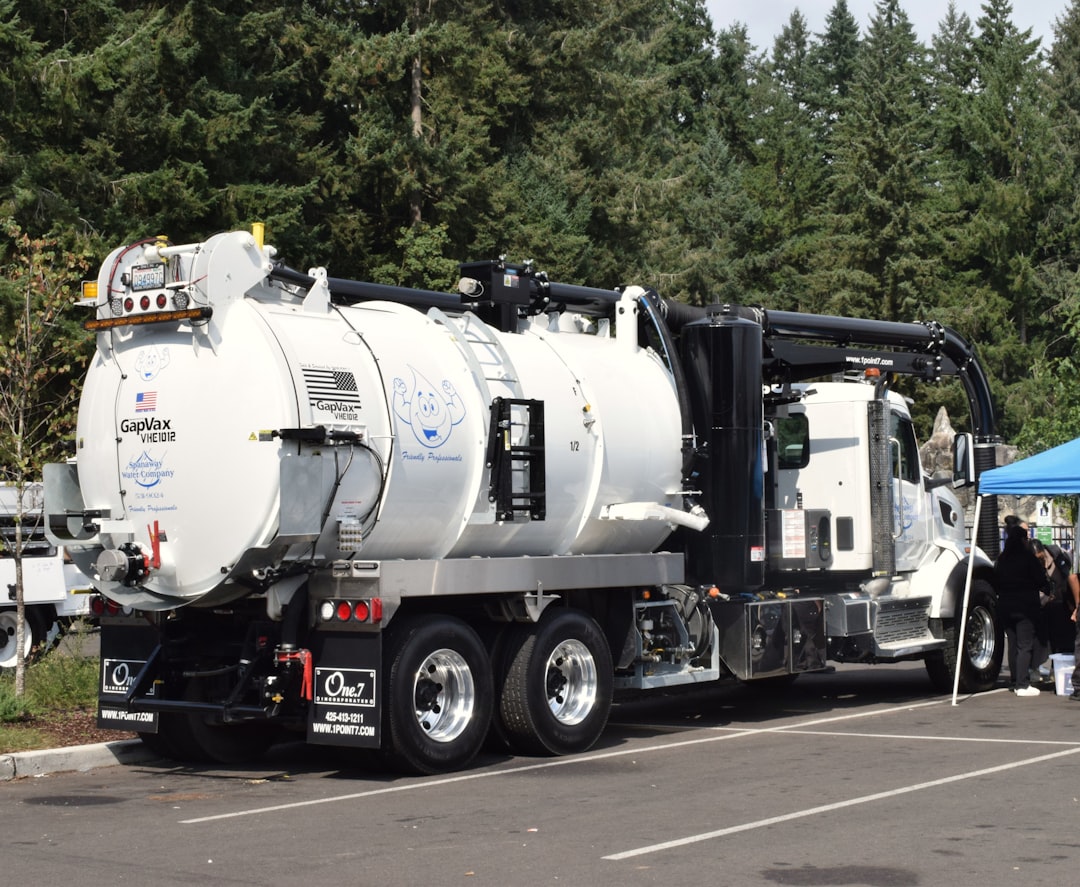
Pumping is non-negotiable. Even when the system appears to be working fine, sludge accumulates at the bottom and eventually displaces effluent into the drain field. Once the drain field clogs, you’re not dealing with a simple fix. Drain field replacement is expensive and disruptive. Annual inspections allow a licensed professional to check baffles, outlet filters, and drain field absorption before small issues become structural ones.
Water conservation matters more than most people expect. Every gallon you push through the system is a gallon the drain field must process. Spreading laundry across the week instead of running five loads in a single day gives the soil time to recover between doses. Low-flow fixtures and fixing leaky toilets help too, more than most homeowners realize.
How Often Should You Pump Your Septic Tank?
For a household of two people, pumping every 5 to 7 years is typically appropriate for a standard 1,000-gallon tank. A family of four using the same tank size should plan on pumping every 3 to 4 years. Households with garbage disposals, more people, or high water usage should lean toward more frequent service.
Tank capacity matters as much as family size. A 1,500-gallon tank serving four people accumulates sludge more slowly than a 750-gallon tank serving the same household. The only way to know exactly where your system stands is to have a professional measure sludge depth during an inspection. Derek Romero, who oversees our home services team at Hillsdale Home Guide, recommends keeping a simple log of every pump-out and inspection, noting the date and the technician’s sludge readings. That record becomes invaluable when you sell the home or need to diagnose a future problem.
What’s the Worst Thing for a Septic Tank?
The single worst thing you can do is introduce substances that kill the bacteria inside the tank. Without healthy bacterial populations, organic waste doesn’t break down properly, the tank fills faster, and poorly treated effluent pushes into the drain field before it should.
Beyond bacteria killers, physical clogs from non-flushable items are the other major threat. Here’s what should never enter a septic system:
- Bleach, antibacterial soaps, and disinfectants used in large quantities
- Grease, cooking oils, and fats poured down kitchen drains
- “Flushable” wipes (they do not break down like tissue paper)
- Medications and pharmaceuticals of any kind
- Feminine hygiene products, cotton swabs, and cotton balls
- Paint, solvents, and chemical drain cleaners
- Coffee grounds and food scraps from garbage disposals
Garbage disposals deserve special mention for septic owners. Grinding food waste and sending it through the system adds significant organic load that the tank must handle between pump-outs. The CDC warns that improperly treated sewage from failing septic systems can contaminate groundwater and nearby bodies of water, creating illness risks for people and animals. That contamination risk rises when the tank is overloaded.
What to Put in a Septic Tank to Break Down Solids
In a healthy system, naturally occurring bacteria handle solid breakdown without any additives. You don’t need monthly enzyme treatments or commercial products to make the tank work. The bacteria are already there, doing their job.
Some homeowners ask about baking soda, yeast, and commercial septic additives. Occasional baking soda use won’t harm the system, but there’s no meaningful evidence it boosts bacterial activity. Yeast introduces a small population of organisms, but the effect is minor in a properly functioning tank. Save the money for your next pump-out.
What actually helps is being consistent about what you flush. Avoid antibacterial products where possible. Dish soap in normal household amounts is generally fine since the dilution rate through a full household water system keeps concentrations low. Don’t pour large volumes of any soap or cleaner directly into a drain all at once.
Septic System Maintenance Checklist
Keeping your system in good shape doesn’t require much, but it does require consistency. Use this as your year-round baseline:
- Pump the tank every 3 to 5 years based on household size and tank capacity
- Schedule a professional inspection annually, including baffles and outlet filter checks
- Spread laundry loads and high-water-use activities throughout the week
- Never park vehicles, plant trees, or build structures over the drain field
- Divert roof drains and surface runoff away from the drain field area
- Maintain a written log of every service visit with dates and technician notes
- Know the exact location of your tank and drain field lines before any landscaping or fence work
If you’ve recently purchased a home and don’t know whether the previous owners maintained the system, schedule an inspection before anything else. The team at Hillsdale Home Guide has seen systems that looked completely functional from the surface but held dangerous sludge levels inside. An inspection gives you a true baseline. It’s far less expensive than dealing with a drain field failure mid-winter.
Warning Signs Your Septic System Needs Attention
Most septic problems announce themselves before they become disasters. Slow drains throughout the house (not isolated to one fixture), gurgling sounds from toilets and sinks after flushing, sewage odors inside or outside the home, and wet or unusually lush green patches over the drain field are all signals to call a professional. Don’t pour chemical drain cleaner into the pipes and wait. That makes things worse.
“Improperly treated sewage from failing septic systems can contaminate groundwater and nearby surface water, potentially causing illness in people and animals who come into contact with it.”
Backups that affect multiple drains at once almost always point to the septic side, not a localized clog. A single slow drain is more likely a blockage in the pipe serving that fixture. Knowing the difference helps you describe the problem clearly when you call for service.
Five Practical Tips for Long-Term Septic Health
- Install tank risers. Risers bring the lids to ground level so future pump-outs require no digging. This saves time and money on every service visit going forward.
- Fix leaky toilets quickly. A running toilet can push hundreds of extra gallons through the system daily, accelerating sludge buildup and drain field saturation.
- Use septic-safe toilet paper. Look for labels that say “rapid dissolve” or “septic safe.” Standard tissue is generally fine; thick quilted varieties take longer to break down.
- Map your system. Mark the tank and drain field on a property diagram before any digging, landscaping, or fencing project. Driving over the drain field compacts soil and damages distribution pipes.
- Plan the first pump-out correctly. If you’ve just moved into a home with a new or recently installed system, the first pump-out should still happen within 3 to 5 years as bacterial colonies establish. Don’t assume a new system means you’re off the hook.
For questions about plumbing inside your home that may be connected to how your septic system performs, our licensed contractors at Hillsdale Home Guide’s service team can help identify whether the problem originates upstream in your interior plumbing or further out in the tank and drain field. Knowing where the issue actually starts is the first step toward fixing it correctly.
Your septic system isn’t complicated, but it does require respect. Treat it like the working infrastructure it is: pump it on schedule, watch what goes in, inspect it regularly, and it’ll run quietly for decades. Neglect it, and the consequences are expensive, messy, and entirely avoidable. If you have questions about your Columbus-area system or want a professional assessment, reach out to the team at Hillsdale Home Guide. We’ve been helping homeowners protect their investments for over twenty years, and we’re glad to help you stay ahead of any problem before it starts.