

Embarking on a whole-home renovation is an exciting prospect, promising to transform your living space into the home you’ve always dreamed of. Yet, the journey can often feel overwhelming. Many homeowners in Columbus, Ohio, find themselves asking where to even begin with such a significant undertaking, facing questions about budgeting, timelines, and finding reliable help. It’s a big project, and without a clear roadmap, it’s easy to feel lost.
That’s where thoughtful planning and expert guidance come in. A successful renovation isn’t just about knocking down walls; it’s about making informed decisions that enhance your home’s functionality, aesthetics, and value for years to come. Understanding the process from start to finish is key to avoiding common pitfalls and ensuring a smooth experience. If you’re looking for expert advice on navigating your next big project, we offer a home improvement guide for smarter homeowners that can help.
At Hillsdale Home Guide, we understand the complexities involved in transforming your space. With over two decades of established expertise, our team of licensed and insured professionals has guided countless homeowners through successful renovations, from single rooms to full interiors. We’re here to provide the insights you need for a renovation that delivers peace of mind and lasting quality.
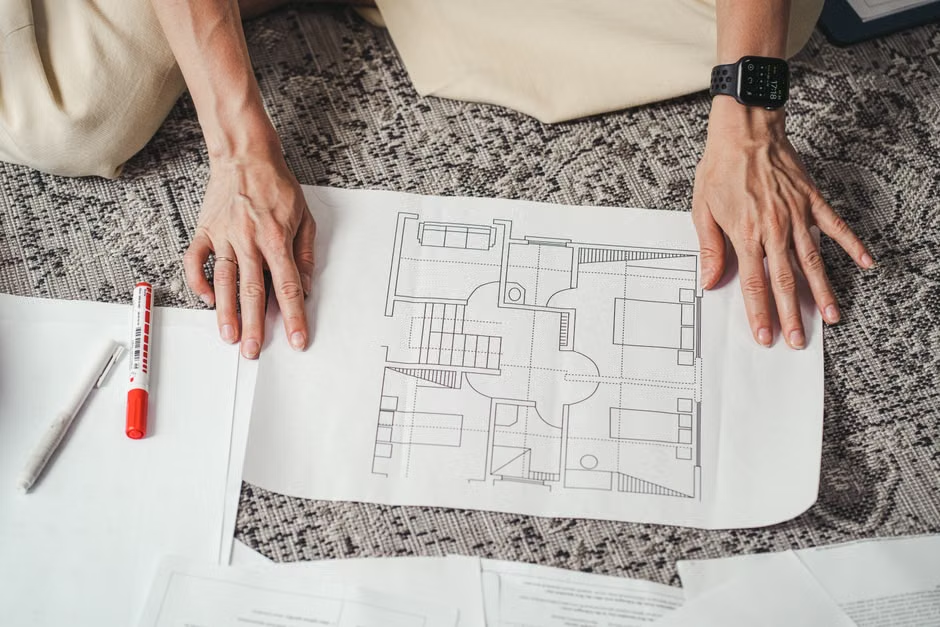
What Exactly Is a Whole-Home Renovation?
A whole-home renovation involves significant changes to multiple areas of a house, often encompassing structural, cosmetic, and functional upgrades across the entire property. It goes beyond simple decor updates, tackling foundational elements like plumbing, electrical systems, and even reconfiguring floor plans.
This type of project can significantly improve your quality of life and boost your property’s value. From updating an outdated kitchen to reimagining bedrooms and bathrooms, a whole-home renovation touches nearly every corner. It’s an opportunity to tailor your living space precisely to your family’s needs and lifestyle. According to Forbes, a thoughtful home renovation can offer substantial returns, making it a valuable investment in your property’s future, as discussed in their guide to renovation costs.
I want to renovate my house where do I start?
Starting a whole-home renovation begins with a clear vision, a realistic budget, and a well-defined scope. Begin by identifying your primary goals: Are you seeking more space, improved functionality, or a modern aesthetic? Prioritize your needs and wants, then research local professionals who can help bring your vision to life.
Once you have a general idea of what you want to achieve, the next crucial step is to define your budget. This isn’t just about the visible costs; it needs to include a contingency fund for unexpected expenses. Think about what you can comfortably afford and be honest about it. We often see homeowners get excited by possibilities without fully grasping the financial implications, which can lead to stress down the line. Setting a budget early helps us provide reliable solutions tailored to your needs, ensuring there are no surprises.
Step-by-step home renovation checklist
A structured approach is vital for a smooth whole-home renovation. This checklist outlines the essential steps from conception to completion, ensuring every detail is considered and managed effectively. From securing permits to selecting finishes, each stage builds upon the last for a successful transformation.
Phase 1: Planning and Design
- Define Your Vision & Goals: What do you want to achieve? Better flow, updated style, more space?
- Establish Your Budget: Determine what you can realistically spend, including a 10-20% contingency.
- Research & Hire Professionals: Engage architects, designers, and general contractors like Hillsdale Home Guide. Look for licensed and insured professionals with strong references.
- Develop Detailed Plans & Drawings: Work with your architect/designer to finalize layouts, materials, and finishes.
- Secure Financing: Arrange loans, lines of credit, or other funding options.
- Obtain Necessary Permits: Your contractor will typically handle this, but ensure all required permits are in place before work begins.
“Effective planning acts as a roadmap, guiding your project from start to finish and mitigating unexpected problems that can derail both your budget and timeline.”
Phase 2: Pre-Construction and Demolition
- Prepare Your Home: Clear out furniture, protect valuable items, and set up temporary living arrangements if needed.
- Demolition: Carefully remove existing structures, fixtures, and finishes as per the plan.
- Waste Management: Arrange for proper disposal of construction debris.
Phase 3: Structural and Mechanical Updates
- Rough Framing: Modify walls, add new openings, or adjust the structural integrity.
- Plumbing Rough-in: Install new water supply and drain lines. Professional plumbing ensures the root cause of any previous issues is identified and fixed the first time correctly.
- Electrical Rough-in: Run new wiring, install outlets, switches, and lighting boxes.
- HVAC Systems: Install new ductwork, vents, and units for a properly designed and maintained system.
- Insulation: Add new insulation for improved energy efficiency.
Phase 4: Interior Finishes
- Drywall Installation: Hang and finish drywall for new walls and ceilings.
- Interior Painting: Professional painters ensure surfaces are cleaned, repaired, and primed for a flawless finish.
- Flooring Installation: Lay down new hardwood, tile, carpet, or other flooring materials.
- Cabinetry & Countertops: Install kitchen and bathroom cabinets, followed by countertops.
- Trim & Doors: Install interior doors, baseboards, crown molding, and other trim.
- Fixture Installation: Mount light fixtures, plumbing fixtures, and appliances.
Phase 5: Exterior and Final Touches
- Exterior Work (if applicable): Address roofing, siding, windows, or landscaping. Your roof, for instance, is your property’s first line of defence against rain, wind, heat, and cold.
- Final Clean-up: Thoroughly clean the entire renovated space.
- Final Walk-through: Inspect the work with your contractor, address any punch-list items, and ensure everything meets your expectations.
What should I look for in a whole-home renovation?
When undertaking a whole-home renovation, you should look for several key indicators of quality, durability, and a smooth process. These elements ensure your investment pays off in the long run and that your daily life isn’t unduly disrupted.
- Attention to Detail: Look for precise cuts, smooth finishes, and consistent patterns in flooring, tile work, and paint. Small imperfections can detract from the overall quality.
- Proper Surface Preparation: Especially with painting, ensure surfaces are cleaned, repaired, and primed correctly. This prevents issues like peeling and provides a professional, long-lasting finish.
- Functionality and Flow: Does the new layout make sense for your lifestyle? Are traffic patterns clear? Is storage adequate?
- High-Quality Materials: Choosing durable, appropriate materials for each area will ensure your renovation stands the test of time.
- Code Compliance: All work, particularly electrical and plumbing, must meet local building codes. Licensed professionals guarantee this adherence, offering safety and long-term reliability.
- Clear Communication: Your contractor should keep you informed about progress, potential delays, and budget updates.
- Cleanliness and Safety: A professional job site is organized, clean, and safe, minimizing hazards for both workers and your family.
- Guaranteed Work: Hillsdale Home Guide stands by our work with guarantees, giving you confidence in the quality and longevity of your renovations.
House renovation timeline: What to expect
The timeline for a whole-home renovation varies significantly based on the project’s scope, the home’s existing condition, and material availability. While smaller updates might take weeks, a full gut renovation can span several months to a year, or even longer for very large or complex projects.
Typically, a comprehensive whole-home renovation for an average-sized house (1,500-2,500 sq ft) might take 4-12 months from planning to completion. This includes the initial design phase, permitting, demolition, structural work, mechanical updates (plumbing, HVAC, electrical), and all the finishing touches like painting and flooring. For example, kitchen and bathroom renovations usually take longer due to the complexity of plumbing and electrical work. Derek Romero, who oversees our Columbus-based home services company, often reminds clients that patience during the planning stage pays dividends. We’ve seen projects with extensive structural changes extend past a year, especially if custom materials are involved or if delays occur with permits or inspections. It’s crucial to establish a realistic schedule with your contractor and allow for flexibility.
“The most successful renovations are those where homeowners have a clear understanding of the project’s scope and a realistic budget from the very beginning.”
Considering Alternatives or Exceptions
While a whole-home renovation offers incredible transformation, it’s not always the right solution for every homeowner or every situation. Sometimes, a more targeted approach makes more sense. For instance, if you’re only looking to update the aesthetics of a single room, a smaller-scale project like a professional painting service or specific home security upgrades might be more suitable and cost-effective than an entire overhaul.
Homeowners on a tighter budget or those with less extensive needs might consider phased renovations, tackling one area at a time over several years. This can spread out the financial burden and minimize disruption to daily life. It’s also important to assess the current market value of your home compared to the investment. Over-renovating for your neighborhood can make it harder to recoup costs when selling. Our team provides consultations to help you determine if a full renovation aligns with your goals and budget, or if a more focused upgrade would serve you better.
Practical Tips for a Successful Whole-Home Renovation
A successful renovation comes down to careful planning and effective communication. Here are some practical tips we’ve gathered from years of experience helping homeowners across Columbus.
- Plan Extensively: The more detailed your plans are upfront, the fewer surprises you’ll encounter. This includes material selections, layouts, and even small details like outlet placement.
- Create a Detailed Budget (and Stick to It): Factor in every possible cost, from materials and labor to permits and a generous contingency fund (15-20% is ideal).
- Communicate Clearly and Often: Maintain open lines of communication with your contractor. Ask questions, voice concerns, and stay involved throughout the process.
- Prepare for Disruption: Understand that your home will be a construction zone. Plan for temporary living arrangements if necessary, and establish clear boundaries with your family about work areas.
- Don’t Rush Decisions: Take your time to select materials and finishes. Rushed choices often lead to regret later.
- Consider Energy Efficiency: Integrate upgrades like better insulation, energy-efficient windows, and high-efficiency HVAC systems to save on utility bills in the long run.
- Prioritize Needs Over Wants: While it’s fun to dream, make sure essential functional improvements are covered before splurging on luxury items.
A professional home renovation is an investment in your home and your quality of life. By partnering with experienced and certified professionals, you’re ensuring attention to detail and quality workmanship from start to finish. We’re proud to be trusted by countless homeowners for our expert repair and reliable solutions. If you’re in the Columbus, Ohio area and ready to discuss your whole-home renovation, or even smaller home improvements, reach out to Hillsdale Home Guide at 742 Maple Ridge Avenue, Columbus, OH 43215, for a consultation. We’re here to help you achieve the home of your dreams, ensuring long-lasting repairs and guaranteed work.