
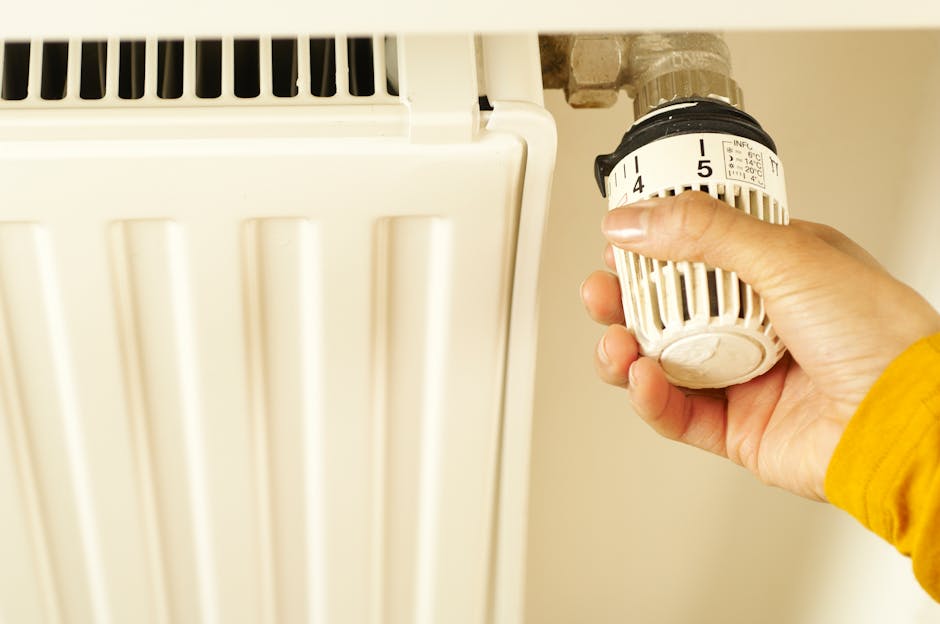
Imagine a home where every room is exactly the temperature you want it, without wasting energy on unoccupied spaces. Traditional heating and cooling systems often struggle with this, leading to hot spots, cold zones, and unnecessarily high utility bills. You might find yourself cranking up the thermostat for one chilly room, only to overheat the rest of the house.
This common frustration is why many homeowners in Columbus are exploring alternatives that offer precise control and efficiency. While a localized solution like an electric heating pad can bring temporary warmth to a single spot, it doesn’t solve the broader comfort challenge of your living spaces.
At Hillsdale Home Guide, we understand the desire for consistent, comfortable indoor climate. With over two decades of experience serving homeowners, our licensed professionals often recommend ductless mini split systems as a versatile solution. They provide flexible heating and cooling exactly where you need it, maximizing comfort and minimizing energy waste. If you’re looking to upgrade your home’s climate control, understanding thermostat settings for maximum efficiency and comfort is a great place to start, and mini splits take that control to the next level.
What Are Ductless Mini Split Systems?
Ductless mini split systems are highly efficient heating and cooling solutions that, as their name suggests, don’t require ductwork. Instead, they consist of an outdoor compressor/condenser unit and one or more indoor air-handling units. These indoor units are typically mounted on a wall and deliver conditioned air directly into a specific zone or room.
The beauty of these systems lies in their ability to provide individualized comfort. Each indoor unit can be controlled independently, allowing you to heat or cool only the rooms you’re using. This zoned approach is a significant departure from conventional central HVAC systems, which distribute air through a network of ducts to the entire house, often leading to energy loss and uneven temperatures. According to the U.S. Department of Energy, “duct losses can account for more than 30% of energy consumption for space conditioning, especially if the ducts are in an unconditioned space such as an attic.”U.S. Department of Energy
How Ductless Mini Splits Work
A ductless mini split system operates on a heat pump principle. During warmer months, the indoor unit absorbs heat from the room and transfers it to refrigerant lines that lead to the outdoor unit. The outdoor unit then releases this heat outside, effectively cooling your home. In cooler weather, the process reverses: the outdoor unit extracts heat from the outside air (even in cold temperatures) and pumps it indoors, providing warmth.
This efficient transfer of heat, rather than generating it, is what makes mini splits so energy-effective. They use variable-speed compressors, meaning they can adjust their output to precisely match your home’s heating or cooling needs, unlike traditional systems that often cycle on and off at full power. This not only saves energy but also leads to more consistent temperatures and better dehumidification. The American Council for an Energy-Efficient Economy highlights the importance of matching HVAC system size to load for optimal performance and efficiency, a concept mini splits excel at with their zoning capabilities.ACEEE
Are Ductless Heating and Cooling Systems Worth It?
Yes, ductless heating and cooling systems are often worth the investment for homeowners seeking greater comfort, energy efficiency, and control over their indoor climate. They provide targeted temperature management, significant energy savings through zoned operation, and are ideal for homes without existing ductwork or for specific room additions.
Many homeowners find that the initial investment in a ductless mini split system pays off over time through reduced energy bills. We’ve seen firsthand how these systems can transform a home’s comfort level, especially in areas that were previously hard to heat or cool. When you’re considering furnace repair vs replacement, a mini split can be an excellent alternative to a traditional furnace, particularly for specific zones.
What are the main benefits of a mini split AC and heat system?
Mini split AC and heat systems offer a range of advantages that make them a popular choice for modern homes:
- Zoned Comfort: You can control the temperature in individual rooms or areas, ensuring personalized comfort and avoiding wasted energy in unoccupied spaces.
- Energy Efficiency: Because they heat and cool only where needed and use variable-speed compressors, mini splits are incredibly efficient, leading to lower utility bills.
- Improved Air Quality: Many units come with multi-stage filtration, helping to reduce allergens, dust, and other airborne particles in your home.
- Quiet Operation: The noisiest components (compressor and condenser) are located outside, making the indoor units very quiet compared to window AC units or traditional furnaces.
- Easy Installation: Without the need for extensive ductwork, installation is less intrusive and often quicker than central systems.
- Versatility: They provide both heating and cooling in one system, perfect for Columbus’s varied seasons.
Disadvantages of Mini Split Systems
While mini splits offer many benefits, it’s important to consider their potential drawbacks. No system is perfect for every situation, and understanding the full picture helps you make an informed decision.
One common concern is the upfront cost. Installing multiple indoor units and the outdoor compressor can be more expensive than a single window AC unit or repairing an existing central system. However, this initial investment is often offset by long-term energy savings.
Another point to consider is aesthetics. While compact, the indoor units are mounted on walls or ceilings and are visible. Some homeowners prefer the hidden nature of traditional ductwork. Additionally, proper sizing and placement are crucial. An undersized unit won’t adequately heat or cool a space, while an oversized one can cycle too frequently, reducing efficiency and comfort. This is why expert assessment is vital.
“While ductless mini-splits provide exceptional zone control and energy efficiency, their aesthetic impact and the need for careful sizing are key considerations homeowners should discuss with a qualified HVAC professional.”
Ductless Mini Split Systems Flexible Heating and Cooling Cost
The cost of installing a ductless mini split system varies significantly based on several factors. These include the number of indoor units required, the capacity (BTUs) of those units, the complexity of the installation, and any additional features like advanced filtration or smart home integration.
Generally, a single-zone system (one outdoor unit connected to one indoor unit) will be less expensive than a multi-zone system (one outdoor unit connected to several indoor units). We provide transparent pricing and zero down financing with flexible payment options for all our services. We believe in offering reliable solutions tailored to your needs, and that includes clear cost estimates without hidden fees. We often find that quick action saves money, both in installation and in the long run through efficiency.
Mini Split AC Installation
Installing a ductless mini split system is a job best left to licensed professionals. While the absence of ductwork simplifies some aspects, precise calculations and careful execution are crucial for optimal performance and longevity. Our certified across multiple home service trades team handles everything, ensuring a seamless process from start to finish.
The installation typically involves:
- Site Assessment: Our experts evaluate your home, determining the best locations for indoor and outdoor units, considering factors like room size, insulation, and electrical capacity.
- Mounting Units: The indoor air handler is securely mounted on an interior wall or ceiling, while the outdoor compressor unit is placed on a stable pad outside.
- Line Set Installation: A small conduit, called a line set, is run through a small hole in the wall (usually about 3 inches in diameter) to connect the indoor and outdoor units. This line set contains refrigerant tubing, condensate drain lines, and electrical wiring.
- Electrical Connection: The system is wired to your home’s electrical panel, often requiring a dedicated circuit.
- Vacuuming and Refrigerant Charge: The refrigerant lines are evacuated to remove air and moisture, then properly charged with refrigerant. This is a critical step for efficiency and system health.
- Testing and Commissioning: The entire system is thoroughly tested to ensure correct operation, proper airflow, and leak-free performance.
Proper installation ensures the root cause of comfort issues is fixed the first time correctly. Poor installation can lead to efficiency problems, refrigerant leaks, and premature system failure. We emphasize attention to detail and quality workmanship in every project we undertake.
When Are Ductless Mini Splits the Right Choice?
Ductless mini splits aren’t just for small apartments or single rooms. They’re a highly versatile option for many scenarios in Columbus homes:
- Room Additions: Perfect for new sunrooms, garage conversions, or extensions where extending existing ductwork would be costly or impractical.
- Older Homes: Many older homes lack the ductwork for central AC. Mini splits offer a non-invasive way to add modern comfort.
- Zoned Comfort Needs: If family members have different temperature preferences, or you want to save energy by only heating/cooling specific areas.
- Server Rooms or Workshops: Spaces that generate a lot of heat or require specific temperature control often benefit from a dedicated mini split.
- Areas Prone to Freezing: In some cases, a mini split can supplement heating in vulnerable areas, protecting against issues like how to prevent frozen pipes during Ohio winters.
However, they might not be the best fit for every home. If your home already has an efficient, well-maintained central HVAC system with good ductwork, upgrading to a mini split for the entire house might not be the most cost-effective choice. For whole-home climate control in a property with existing ductwork, sometimes a traditional high-efficiency central air conditioner or furnace replacement makes more sense. Our team can help you weigh these options, as detailed in our HVAC spring maintenance checklist, to ensure you choose the best solution for your unique needs.
What to Expect: Results and Timeline
Once your ductless mini split system is installed, you can expect immediate improvements in your home’s comfort. Within hours, the chosen zones will reach your desired temperature, providing a quiet, consistent climate.
Over the following months, you’ll likely notice a reduction in your energy bills, especially if you’re replacing inefficient window units or relying less on your central system. The exact savings depend on your usage habits, previous system efficiency, and the size of your home, but the zoned approach inherently conserves energy. Long-term, with proper maintenance, you can expect these systems to provide reliable, efficient heating and cooling for 15-20 years, offering long-lasting repairs and peace of mind.
Practical Tips for Maximizing Your Mini Split’s Efficiency
Getting the most out of your ductless mini split system involves a few simple habits and understanding its capabilities. Here are our top recommendations:
- Schedule Annual Professional Maintenance: Just like any HVAC system, mini splits benefit from regular check-ups. Our licensed and insured professionals can clean coils, check refrigerant levels, and ensure all components are working optimally. This proactive approach helps prevent minor issues from becoming major, ensuring long-lasting repairs.
- Clean or Replace Filters Regularly: The indoor unit’s air filter can get clogged with dust and debris, reducing airflow and efficiency. Check and clean or replace it every 1-3 months, depending on usage and household conditions.
- Utilize Zoning Effectively: Take advantage of the system’s core benefit by setting different temperatures for different zones. Turn off units in unoccupied rooms to maximize energy savings.
- Use the ‘Auto’ Fan Setting: Allow the unit to automatically adjust fan speed to maintain comfort. This prevents unnecessary cycling and promotes consistent temperatures.
- Keep Outdoor Unit Clear: Ensure the outdoor compressor unit has adequate clearance around it. Keep it free from leaves, snow, ice, and debris to allow for proper airflow.
- Seal Air Leaks: Even the most efficient HVAC system can struggle if your home is drafty. Seal gaps around windows, doors, and utility penetrations to prevent conditioned air from escaping.
Choosing the right heating and cooling solution for your home is a significant decision. Ductless mini split systems offer a compelling blend of flexibility, efficiency, and comfort, making them a smart choice for many Columbus homeowners. From single rooms to full interiors, our team is committed to providing attention to detail and quality workmanship to ensure your satisfaction. Derek Romero, who oversees our Columbus-based home services company, has seen how these reliable solutions tailored to your needs can truly make a difference in everyday living. If you’re considering a mini split or have questions about improving your home’s heating and cooling, don’t hesitate to reach out to us at Hillsdale Home Guide. We’re here to help you achieve the perfect climate for your home.