
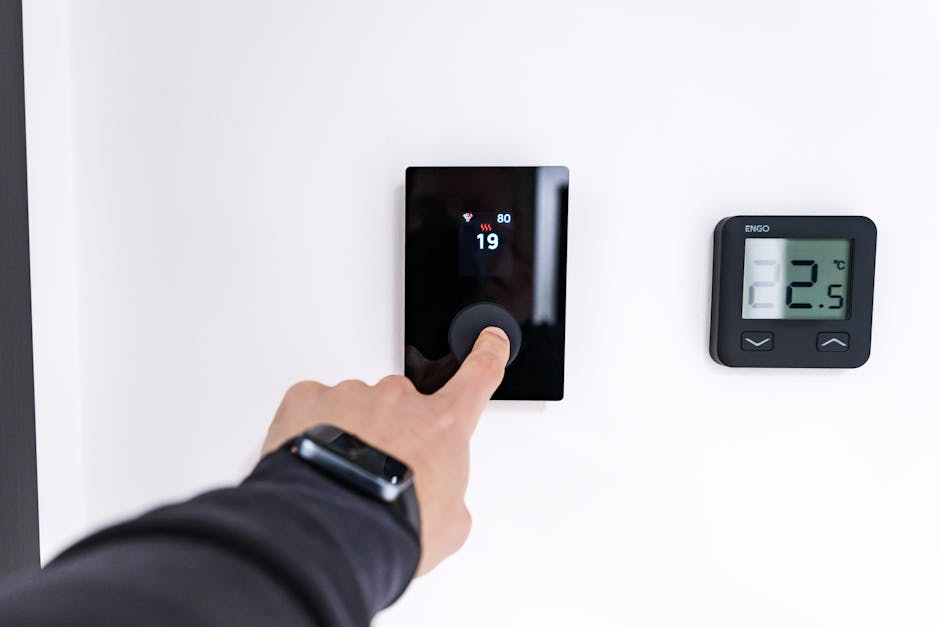
Are you tired of skyrocketing energy bills, yet still find parts of your Columbus home too hot or too cold? Achieving the perfect balance of comfort and energy efficiency can feel like a constant battle, especially when you’re wrestling with an outdated or improperly set thermostat. Many homeowners struggle to understand the optimal settings for their heating and cooling systems, leaving money on the table and sacrificing indoor comfort.
The good news is that advancements in home technology, particularly with smart thermostats, offer powerful solutions. By understanding how these devices work and applying best practices for their settings, you can significantly reduce your utility costs while maintaining a comfortable living environment. At Hillsdale Home Guide, we believe in empowering homeowners with the knowledge and tools to make smart decisions for their properties, from essential repairs to advanced smart home upgrades that increase comfort and value.
Our licensed professionals have over two decades of experience helping homeowners across Columbus optimize their home systems. We’re here to guide you through mastering your thermostat, whether you have a basic programmable model or a sophisticated smart device like a Nest or Ecobee.
What is a Smart Thermostat?
A smart thermostat goes beyond traditional programmable models, learning your habits, connecting to your home’s Wi-Fi, and offering remote control from your smartphone. These devices intelligently adjust temperatures based on occupancy, weather forecasts, and your preferences, leading to greater energy savings and convenience. They help ensure your HVAC system isn’t running unnecessarily.
Unlike simple programmable thermostats that follow a fixed schedule, smart thermostats adapt to real-time conditions. They often include features like geofencing, which uses your phone’s location to know when you’re away and when you’re headed home, adjusting the temperature accordingly. This adaptability means less wasted energy heating or cooling an empty house. According to the U.S. Department of Energy, programmable and smart thermostats can save approximately 10% on heating and cooling costs if used properly.
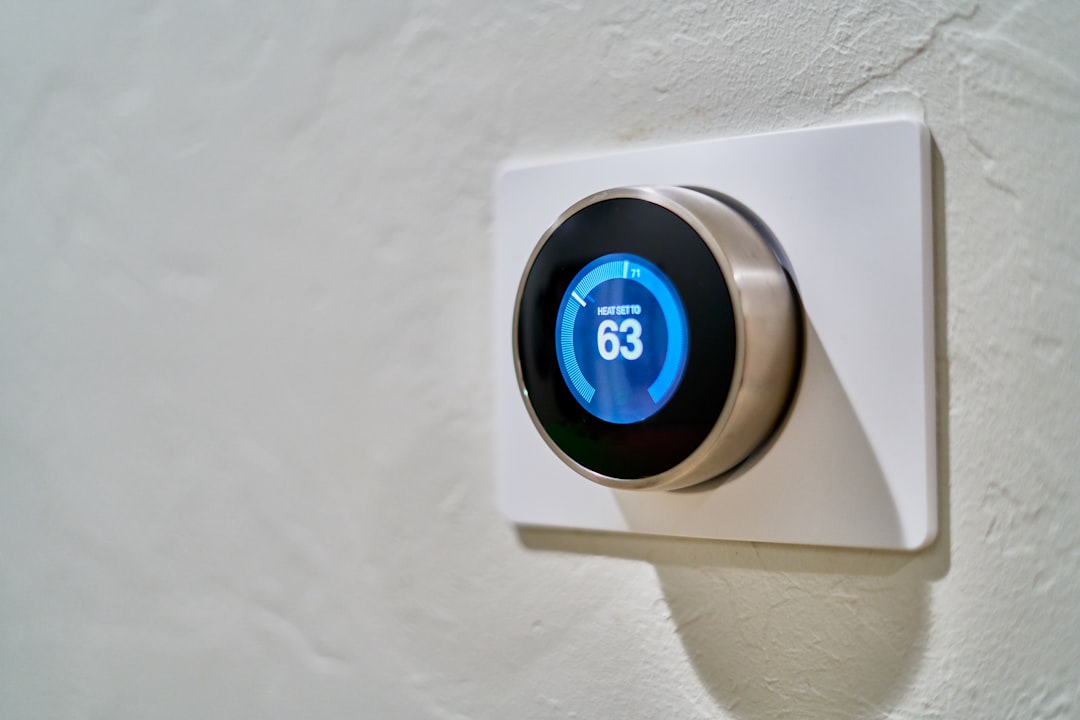
What is the best thermostat setting for efficiency?
The most energy-efficient thermostat setting balances comfort with cost savings, aiming for the smallest difference between indoor and outdoor temperatures when you’re away or asleep. For winter, generally target 68°F (20°C) when home and lower when away or sleeping. In summer, aim for 78°F (26°C) when home and higher when away, setting it as high as tolerable.
These benchmark temperatures are often cited as a good starting point for maximizing efficiency without sacrificing too much comfort. The goal is to minimize the workload on your HVAC system. A smaller temperature differential means less energy consumed. Many homeowners find that adjusting their thermostat by just a few degrees can make a significant difference over the course of a billing cycle.
Recommended thermostat settings for summer and winter
For winter, we recommend setting your thermostat to 68°F (20°C) when you’re home and awake. When you’re asleep or away from home for more than a few hours, consider dropping it by 7-10 degrees, aiming for around 60-62°F (15-17°C). In summer, aim for 78°F (26°C) when you’re home. When away, you can let the temperature rise a bit higher, perhaps to 80-82°F (27-28°C), but avoid extreme spikes that force your AC to work overtime to catch up.
These recommendations aren’t just about saving money; they’re also about prolonging the life of your HVAC system. Constant, drastic fluctuations in temperature can put undue stress on your furnace or air conditioner. Gradual adjustments, especially with programmable or smart thermostats, allow your system to work more smoothly and efficiently.
Is 73 a good temperature for heat in the winter?
While 73°F in winter certainly provides a warm and comfortable environment, it’s generally considered higher than ideal for maximum energy efficiency and cost savings. Setting your thermostat to 73°F will cause your heating system to work harder and longer, consuming more energy than a setting of 68°F, which is recommended by many energy experts.
Ultimately, your comfort is a priority. If 73°F is essential for your well-being, especially for elderly family members or those with health conditions, it’s a justifiable setting. However, if you’re looking to cut down on utility costs, gradually lowering the temperature by a degree or two each day can help you adjust to a more efficient setting without a sudden shock.
Is it cheaper to turn the heat off during the day?
Turning your heat completely off during the day is generally not more efficient than setting it to a lower “setback” temperature. While turning it off stops energy consumption entirely for a period, your home’s interior temperature will drop significantly, requiring your furnace to work much harder and for a longer duration to bring it back to a comfortable level when you return. This burst of intense operation can often consume more energy than maintaining a consistent, slightly lower temperature.
“While it may seem counterintuitive, constantly turning your heating system completely off and then on again can actually consume more energy than maintaining a consistent, slightly lower temperature. The energy required to bring a very cold house back up to temperature can be substantial.”
For most homes, a setback of 7-10 degrees from your preferred comfort temperature when you’re away or asleep is the most effective strategy. This keeps your home from getting too cold and allows your HVAC system to recover efficiently without overworking. Our licensed and insured professionals frequently advise homeowners on these subtle but impactful strategies for long-term savings.
What To Look For in an Efficient Thermostat Setup
Beyond the temperature settings themselves, several factors contribute to a truly efficient home climate control system. When you’re assessing your setup, here’s what we look for:
- **Proper Installation:** A thermostat installed on an exterior wall, near a window, or in direct sunlight can read inaccurate temperatures, causing your system to run inefficiently.
- **Smart Features:** Devices like the Google Nest thermostat or Ecobee thermostat offer learning capabilities, geofencing, and remote access, which are key to optimizing energy use.
- **Zoning Capabilities:** For larger homes, a zoned HVAC system with multiple thermostats allows you to heat or cool only the areas you’re using, significantly reducing wasted energy.
- **Compatibility with Your HVAC System:** Ensure your chosen smart thermostat is compatible with your specific heating and cooling equipment for optimal performance.
- **Energy Usage Reporting:** Many smart thermostats provide detailed reports on your energy consumption, helping you identify patterns and areas for improvement.
- **Integration with Other Smart Home Devices:** Seamless integration with other smart home systems, like smart lights or ceiling fans, can further enhance efficiency and comfort.
Nuanced Suitability: When Smart Isn’t the Only Answer
While a smart thermostat can be a game-changer for many, it’s not the sole factor in home energy efficiency. Sometimes, the problem lies elsewhere. For instance, if your home has poor insulation or leaky windows, even the smartest thermostat will struggle to maintain comfortable temperatures efficiently. We’ve seen situations where a homeowner invests in a new Honeywell Home thermostat, only to find their energy bills remain high due to drafts and inadequate weatherization.
It’s important to consider your home’s overall envelope. Air leaks around doors and windows, insufficient attic insulation, or even unsealed ductwork can undermine your thermostat’s efforts. In such cases, addressing these foundational issues first can yield greater savings. Our team, trusted by countless homeowners, can assess your entire home’s energy performance. Sometimes, a simple fix like sealing leaks or improving attic insulation can make a dramatic difference, complementing any thermostat upgrade.
We also provide a full range of services that can impact your overall energy use. If your HVAC system itself is old and inefficient, or if you’re experiencing plumbing issues that affect your water heater’s performance, addressing those can be just as crucial. You can learn more about our comprehensive services on our website.
What to Expect: Realistic Results and Timelines
When you optimize your thermostat settings or upgrade to a smart thermostat, you can expect tangible results. Most homeowners see a 10-15% reduction in their heating and cooling costs annually. This isn’t just hype; it’s a realistic expectation based on how these devices and strategies manage energy consumption more effectively. The immediate benefit is noticeable comfort and control, especially with remote access.
In terms of timeline, energy savings can start appearing on your very next utility bill, though it might take a few weeks for a learning thermostat to fully understand your home’s heating and cooling patterns. The longer you use optimized settings or a smart device, the more it learns and the better it performs. Long-lasting repairs and reliable solutions tailored to your needs are what we aim for, providing peace of mind year-round.
Practical Tips for Maximizing Efficiency and Comfort
Optimizing your thermostat is an ongoing process that benefits from a holistic approach to home energy management. Here are some practical steps you can take:
- **Regular HVAC Maintenance:** Ensure your furnace and AC units are professionally inspected and maintained at least once a year. Clean filters, lubricated moving parts, and clear drain lines mean your system runs smoothly and efficiently. Our team at Hillsdale Home Guide is ready to help; learn more about our home page for services.
- **Seal Air Leaks:** Use caulk and weatherstripping to seal drafts around windows and doors. Even small leaks can allow significant amounts of conditioned air to escape, making your HVAC work harder.
- **Utilize Programmable Features:** If you have a programmable thermostat, make sure you’re actually using its scheduling features. Set back temperatures when you’re away or asleep.
- **Strategic Thermostat Placement:** Ensure your thermostat isn’t located in direct sunlight, near heat sources like lamps or appliances, or in a drafty area, as these can skew temperature readings.
- **Consider Zoning:** If your home has multiple levels or distinct living areas, a zoned system allows you to control temperatures independently, heating or cooling only the spaces you need.
- **Smart Thermostat Specific Features:** Take advantage of geofencing, remote control, and energy reporting features offered by smart devices like Nest, Ecobee, or Honeywell Home models to finely tune your energy use.
“A properly programmed thermostat, whether smart or conventional, is one of the easiest ways homeowners can reduce their energy consumption. It’s about matching your heating and cooling to your actual occupancy and comfort needs, not just running it continuously.”
Mastering your thermostat settings is a key step towards a more comfortable and energy-efficient home. With the right knowledge and tools, you can enjoy lower utility bills and consistent indoor temperatures year-round. Derek Romero and our team of licensed and insured professionals are always here to provide expert guidance and reliable solutions, ensuring your home systems are running at their peak. Don’t let inefficient settings drain your wallet; take control of your home’s climate today.